

How to Avoid Dredging Pipeline Blockage ?
2026-07-10
.gtr-container-k9z7x1 {
font-family: Verdana, Helvetica, "Times New Roman", Arial, sans-serif;
color: #444;
line-height: 1.6;
padding: 16px;
box-sizing: border-box;
max-width: 100%;
overflow-x: hidden;
}
.gtr-container-k9z7x1 p {
font-size: 14px;
margin-bottom: 16px;
text-align: left !important;
word-break: normal;
overflow-wrap: normal;
}
.gtr-container-k9z7x1 .gtr-heading {
font-size: 18px;
font-weight: bold;
color: #3176FF;
margin-top: 24px;
margin-bottom: 16px;
text-align: left !important;
}
.gtr-container-k9z7x1 ul,
.gtr-container-k9z7x1 ol {
margin: 0;
padding: 0;
list-style: none;
}
.gtr-container-k9z7x1 ul li {
position: relative;
padding-left: 25px;
margin-bottom: 8px;
font-size: 14px;
line-height: 1.6;
text-align: left !important;
list-style: none !important;
}
.gtr-container-k9z7x1 ul li::before {
content: "•" !important;
position: absolute !important;
left: 0 !important;
color: #3176FF;
font-size: 1.2em;
top: 0;
}
.gtr-container-k9z7x1 ol li {
position: relative;
padding-left: 30px;
margin-bottom: 8px;
font-size: 14px;
line-height: 1.6;
list-style: none !important;
text-align: left !important;
}
.gtr-container-k9z7x1 ol li::before {
content: counter(list-item) "." !important;
position: absolute !important;
left: 0 !important;
color: #3176FF;
font-weight: bold;
width: 25px;
text-align: right;
top: 0;
}
.gtr-container-k9z7x1 ol li ul {
margin-top: 8px;
margin-bottom: 0;
padding-left: 20px;
list-style: none !important;
}
.gtr-container-k9z7x1 ol li ul li {
padding-left: 25px;
margin-bottom: 4px;
list-style: none !important;
}
.gtr-container-k9z7x1 ol li ul li::before {
left: 0 !important;
list-style: none !important;
}
@media (min-width: 768px) {
.gtr-container-k9z7x1 {
padding: 24px 40px;
}
.gtr-container-k9z7x1 .gtr-heading {
margin-top: 32px;
margin-bottom: 20px;
}
.gtr-container-k9z7x1 p {
margin-bottom: 20px;
}
}
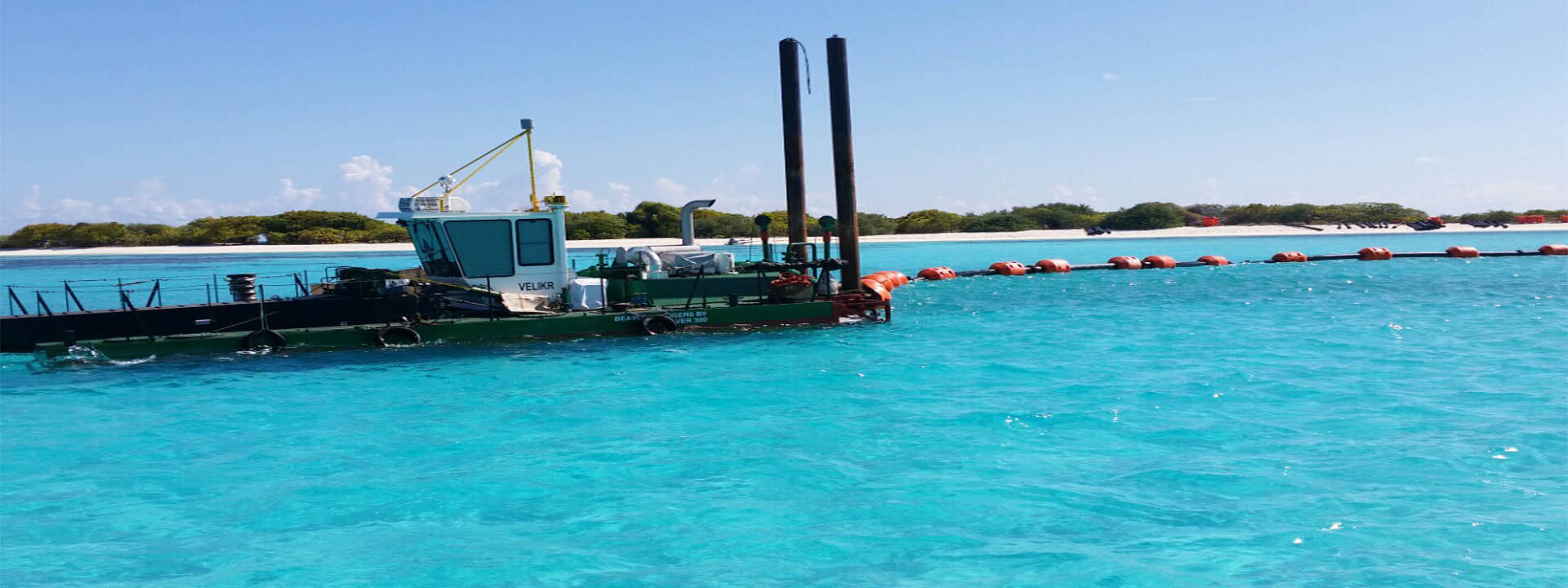
In dredging operations, the slurry pipeline system serves as a critical conduit connecting dredging equipment to material deposition areas, with its operational status directly impacting overall productivity. Although pipeline blockages are a common issue, they can lead to severe consequences such as unexpected shutdowns, sudden drops in production, and soaring maintenance costs. Accurately understanding the causes of blockages and mastering effective countermeasures are essential for ensuring the continuity and cost-effectiveness of dredging operations
Typical Causes of Blockage
Pipe blockages are rarely caused by a single factor but are usually the result of multiple conditions overlapping. Common causes include:
Insufficient flow rate: The slurry flow rate is lower than the critical settling velocity of the material, causing solid particles to deposit at the pipe bottom and gradually accumulate
Strong material adhesion: High clay or plastic slurry increases adhesion to the pipe wall, easily forming a viscous deposit layer
Foreign object ingress: Large particles or fragments entering the pipeline, exceeding its designed conveying capacity
Poor pipeline layout: Sharp bends, sagging sections, or hose collapse increase local flow resistance and accelerate sedimentation
When the above conditions coexist, sediments will accumulate rapidly, ultimately leading to partial or complete blockage.
Identification methods in operation
Early detection is key to minimizing losses. Operators should closely monitor the following operational indicators:
Abnormal pressure: The discharge pressure of the dredging pump rises significantly, while the suction vacuum pressure at the pump inlet decreases
Load variation: The engine load decreases under continuous pumping conditions
High-frequency blockage locations include pipe diameter transition sections, submerged pipe sections, crossings, and sagging floating pipelines. These symptoms are particularly pronounced when dredging coarse particles, plastic clay, or mixed soil, requiring focused monitoring.
corrective action
In case of suspected blockage, immediate systematic action should be taken:
Adjust the work parameters
Pause lateral movement
Lifting bridge rack
Reduce the slurry concentration
Increase the pump speed to stabilize the water output pressure
Line inspectionIf the adjustment proves ineffective, immediately inspect each section along the pipeline route, locate the blocked segment, and assess its severity.
Mechanical RemovalIf the adjustment fails, disconnect the affected pipe section and manually remove the blockage.
Preventive strategies
Long term stability depends on reasonable design and standardized operation, with key points including:
Flow rate control: Maintain the flow rate in the pipeline above the critical settling velocity of the material. The critical flow rate is influenced by factors such as particle size and pipeline diameter. The larger the particle size and diameter, the higher the required critical flow rate
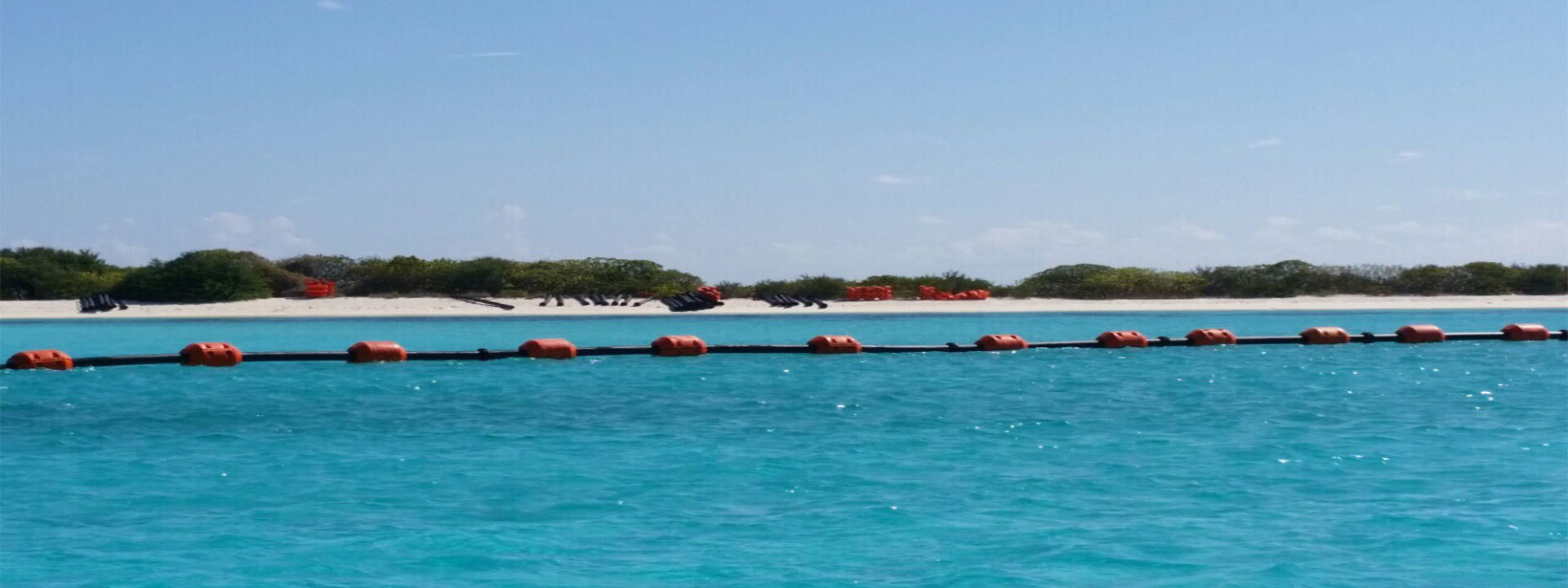
Optimize layout: Keep the pipeline as straight as possible to avoid sharp bends and hose collapse. In floating or flexible connection sections, using JIUBEI dredging hoses with smooth inner walls and cooperating with floating bodies can effectively prevent local retention caused by hose collapse
Regular inspection: Pay special attention to the transition section and bottleneck points of the pipe diameter, ensuring that their diameter is greater than the spacing between the feeding grids
Concentration management: Strictly control the slurry concentration when dredging large particles or plastic clay, especially to prevent flow interruption caused by sudden pump shutdown.
View More
UHMWPE LINED STEEL PIPE PRODUCTION
2026-04-16
UHMWPE Steel-Plastic Composite Pipe Processing: Technological Breakthroughs and Industrial Advancement
Date: April 16, 2026
Introduction
Ultra-high molecular weight polyethylene (UHMWPE) steel-plastic composite pipes represent a high-performance material that integrates the high strength and pressure resistance of steel with the exceptional wear resistance, corrosion resistance, and self-lubrication of UHMWPE. As industries such as mining, dredging, chemical engineering, and municipal water supply demand more durable pipelines, UHMWPE steel-plastic composite pipes have emerged as a critical solution, with their processing technology continuously evolving to meet stringent performance standards.
Core Processing Technology
The production of UHMWPE steel-plastic composite pipes involves precision engineering and specialized equipment, addressing the challenge of UHMWPE's extremely high melt viscosity.
1. Raw Material Selection & Preparation
◦ Steel Base Pipe: High-quality carbon steel or stainless steel seamless/welded pipes (DN63–DN630mm).
◦ UHMWPE: Ultra-high molecular weight polyethylene (molecular weight ≥ 3 million) for inner lining.
◦ Adhesive Layer: Modified epoxy resin or hot-melt adhesive to ensure strong steel-plastic bonding.
2. Steel Pipe Surface Treatment
◦ Sandblasting & Pickling: Remove rust, oil, and dust to create a rough, clean surface for optimal adhesion.
◦ Phosphating: Enhance the chemical bond between steel and UHMWPE.
3. UHMWPE Lining & Composite Process
◦ Extrusion Coating: Specialized screw extruders melt UHMWPE and coat the inner wall of the steel pipe under high pressure.
◦ Compression Molding: For large-diameter pipes, UHMWPE sheets are heated and pressed into the steel pipe, leveraging its memory effect to form a tight fit.
◦ High-Temperature Curing: The composite pipe is heated to ensure the UHMWPE layer bonds seamlessly with the steel base.
4. Finishing & Quality Control
◦ Cutting & End Processing: Cut to specified lengths; process ends (flanging, threading, welding flanges).
◦ Strict Testing:
◦ Pressure Test: Verify pressure resistance up to 2.0–3.5 MPa.
◦ Electric Spark Test: Detect coating defects.
◦ Bonding Strength Test: Ensure no delamination.
Key Technological Innovations
• Specialized Extrusion Technology: Custom screw designs solve UHMWPE's high viscosity issue, enabling continuous, efficient production.
• High-Strength Adhesion: New coupling agents increase steel-plastic bonding strength to ≥3.0 MPa, preventing separation.
• Intelligent Production: Automated lines with PLC control and real-time monitoring ensure consistent quality.
Performance Advantages
• Ultra Wear Resistance: Wear resistance 5–10 times higher than HDPE, ideal for mining slurry and dredging.
• Super Corrosion Resistance: Resists acids, alkalis, salts, and chemical media.
• Low Friction: Friction coefficient as low as 0.006, reducing energy consumption by 20%.
• High Pressure Resistance: Withstands up to 3.5 MPa, suitable for high-rise and industrial pipelines.
• Long Service Life: Lifespan 3–5 times longer than traditional steel pipes.
Market Applications & Trends
• Main Applications:
◦ Mining: Slurry, tailings, and coal ash transportation.
◦ Dredging: Marine and river sediment pipelines.
◦ Chemical Industry: Corrosive fluid transport.
◦ Municipal: Water supply, drainage, and fire protection.
• Market Growth: Global demand for UHMWPE steel-plastic composite pipes grows at 12% annually, driven by infrastructure and industrial upgrading.
• Future Trends:
◦ Green Manufacturing: Eco-friendly materials and energy-saving processes.
◦ Smart Monitoring: IoT sensors for real-time pipeline health tracking.
◦ High-End Expansion: Application in high-temperature, high-pressure, and ultra-corrosive environments.
Conclusion
UHMWPE steel-plastic composite pipe processing technology continues to break through technical bottlenecks, delivering unmatched performance and reliability. As industries pursue higher efficiency and longer service life, these pipes will play an increasingly vital role in global infrastructure and industrial development.
View More
PE Float Passes SGS Testing & Ready for Shipment
2026-04-14
We are pleased to announce that our PE Float (Dredging Float) has successfully completed comprehensive testing by SGS, the world’s leading inspection, verification, testing and certification body. All key indicators meet international standards, confirming outstanding performance and reliability for marine and dredging applications.
The SGS testing covered buoyancy performance, material density, tensile strength, impact resistance, UV stability, sealing performance and environmental durability. Results show our PE float delivers stable buoyancy, excellent weather resistance, strong anti-collision capacity and long service life, fully satisfying the rigorous demands of offshore dredging, pipeline floating and water engineering projects.
Manufactured from high-quality virgin PE material with integrated molding technology, our floats feature a seamless structure, good sealing, corrosion resistance and easy installation. Strict quality control is implemented throughout production to ensure consistency and safety for long-distance ocean transportation and harsh working environments.
With authoritative SGS certification, we provide customers with reliable quality assurance and full compliance support for global customs clearance and project acceptance. This achievement further strengthens our competitiveness in the international market and builds deeper trust with overseas partners.
We will continue to uphold high-quality standards, optimize product performance and deliver safe, durable and cost-effective floating solutions to clients worldwide.
View More
Successful Shipment of DN500*50mm UHMWPE Pipes Completed
2026-04-14
Successful Shipment of DN500*50mm UHMWPE Pipes Completed
We are pleased to announce that a batch of DN500*50mm Ultra-High Molecular Weight Polyethylene (UHMWPE) Pipes has been smoothly packed and shipped to our valued overseas customer, marking another reliable delivery in our global pipeline supply service.
This batch of UHMWPE pipes features a standard diameter of DN500 and wall thickness of 50mm, manufactured with premium ultra-high molecular weight polyethylene raw materials through advanced extrusion technology. With outstanding performance including exceptional wear resistance, excellent corrosion resistance, high impact strength, low friction coefficient and long service life, these pipes are widely applicable to slurry transportation, mine tailing discharge, chemical fluid delivery and other harsh working conditions, fully meeting the high-standard engineering demands of international clients.
Prior to shipment, our quality control team carried out comprehensive inspections on product specifications, physical properties and appearance, ensuring every pipe fully complies with international quality standards and customer-specific requirements. The professional packing team adopted sturdy, export-standard packaging to effectively protect the pipes from collision and damage during long-distance ocean transportation, guaranteeing intact arrival of goods at the destination port.
Our logistics department formulated a refined transportation plan, efficiently completing the loading, customs declaration and delivery procedures in strict accordance with the delivery schedule. We always adhere to the principle of "customer-centric, quality-first", providing one-stop services from product customization, production supervision to safe shipment, to satisfy customers' demands for on-time delivery and high-quality pipeline products.
This smooth delivery not only strengthens the long-term cooperative partnership with overseas customers, but also further demonstrates our professional strength in the R&D and production of UHMWPE pipes. We will continue to focus on product innovation and service optimization, offering more reliable, high-performance pipeline solutions and efficient supporting services to global partners, and jointly promoting the high-quality development of the pipeline engineering industry.
We extend sincere gratitude to our customers for their trust and support. Looking forward to more in-depth cooperation with friends from all over the world to create a better future together!
View More