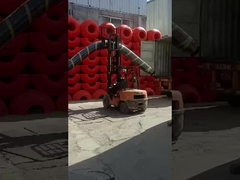
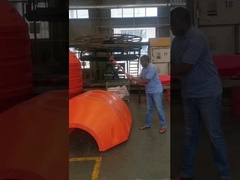
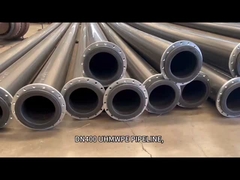
Brief: In this video, we explore the ultimate buoyancy solution for dredging operations. You'll see how HDPE Dredging Pipe Floats provide reliable support for discharge hoses and pipelines in various environmental conditions. We demonstrate their durable construction, lightweight design for easy handling, and superior performance in saltwater, extreme temperatures, and high-traffic waterways. Learn how these floats enhance operational safety and pipeline stability during inland, port, offshore, and environmental dredging projects.
Related Product Features:
Constructed with HDPE via rotational molding and filled with high-strength closed-cell PU foam for exceptional durability and buoyancy.
Features integrated UV stabilizers for long-term resistance to sunlight, saltwater, and extreme temperatures from -60℃ to +80℃.
Lightweight design simplifies transportation and installation compared to traditional steel floats.
Available in standard yellow, orange, or custom colors that serve as effective warning signs for vessel safety.
Provides reliable buoyancy support to prevent pipeline sinking and maintain stable floating above water level.
Absorbs impact energy from collisions and wave shocks to minimize wear and damage to dredge pipelines.
Helps maintain pipeline route stability during operations by reducing deviations from water flow.
Corrosion-resistant to saltwater, chemicals, and acidic/alkaline substances for use in freshwater and marine environments.
FAQs:
What materials are used in the construction of these dredge pipe floats?
The floats are constructed with high-density polyethylene (HDPE) through rotational molding technology and filled with high-strength closed-cell polyurethane (PU) foam, combining exceptional durability, corrosion resistance, and superior buoyancy performance.
What temperature ranges can these HDPE dredging pipe floats withstand?
These floats are designed to withstand extreme temperatures ranging from -60℃ to +80℃, making them suitable for various dredging environmental circumstances including both cold and hot operating conditions.
What maintenance is required for these dredging pipe floats?
Regular inspection of float connection status is recommended, tightening loose bolts and replacing damaged gaskets. Avoid collisions with hard objects, clean surfaces to remove marine organisms and sludge, store in dry ventilated areas away from direct sunlight, and replace floats immediately if shells are cracked or internal foam becomes waterlogged.
In what applications can these HDPE dredging pipe floats be used?
They are suitable for inland waterway dredging, port and harbor construction, offshore dredging and reclamation, mine and industrial dredging, and environmental remediation projects, adapting to both freshwater and marine environments.